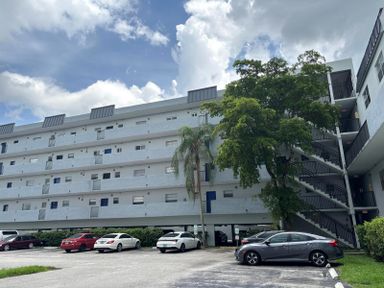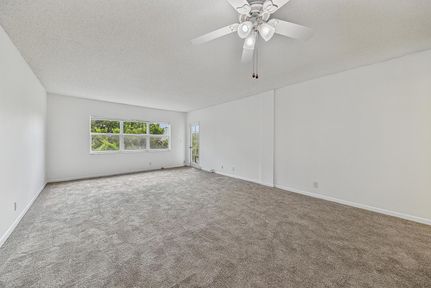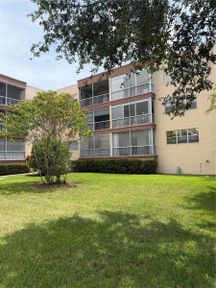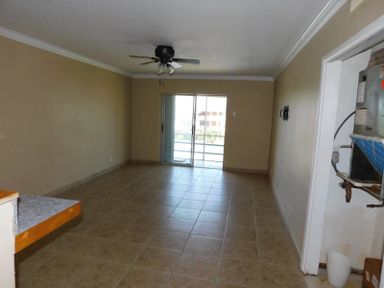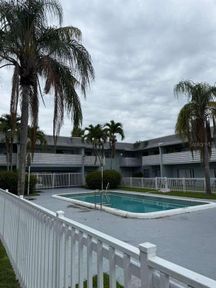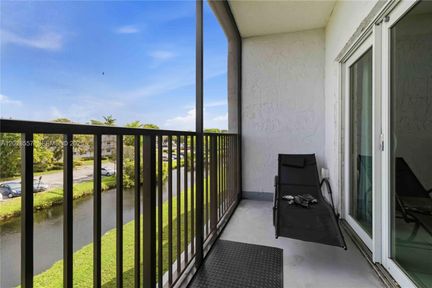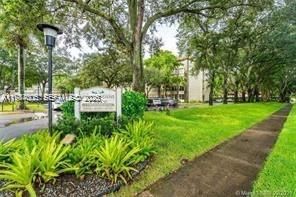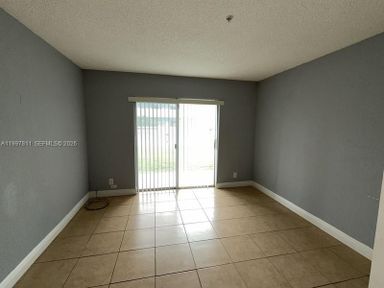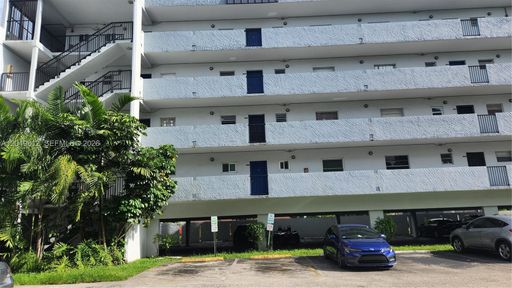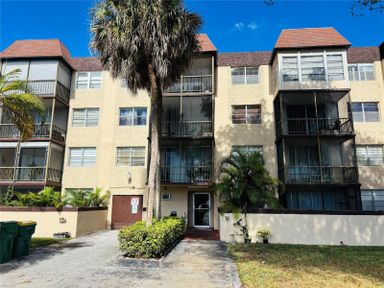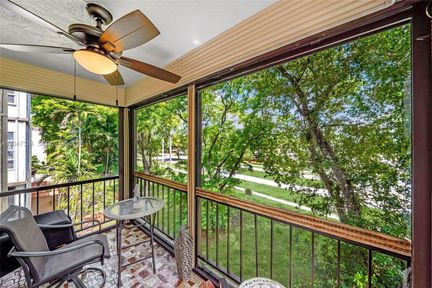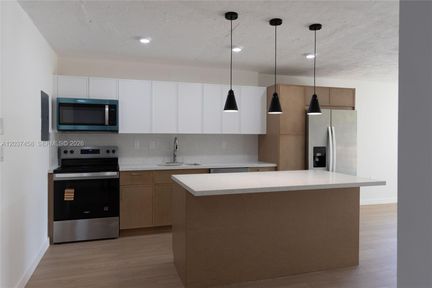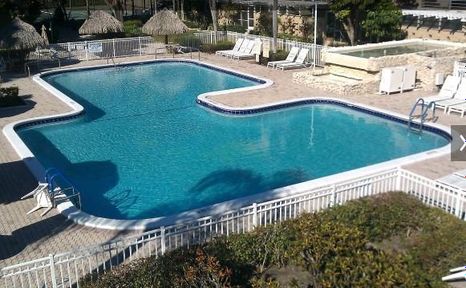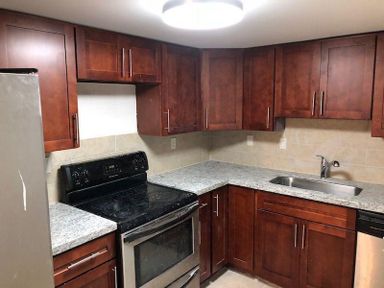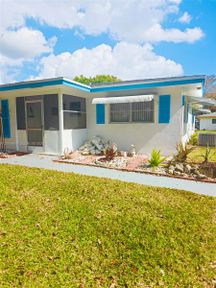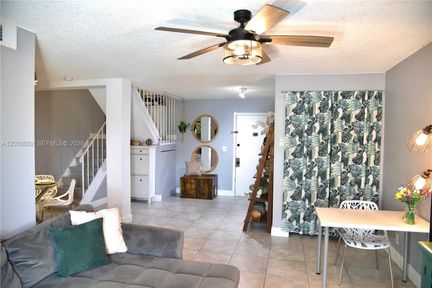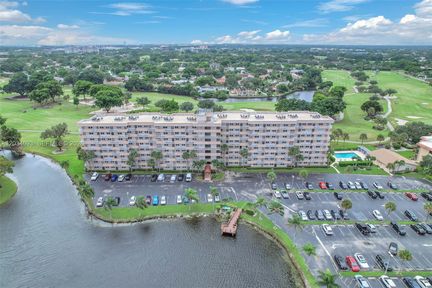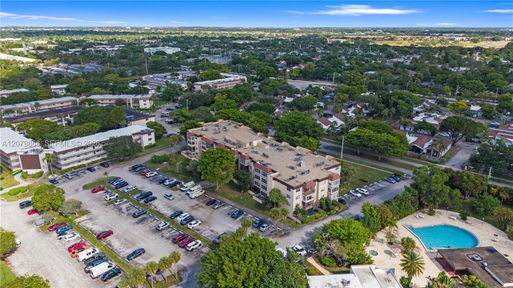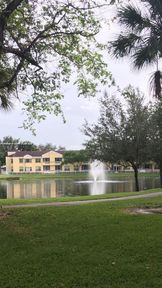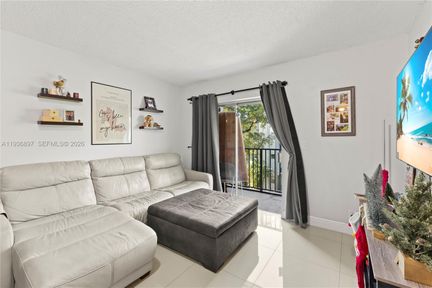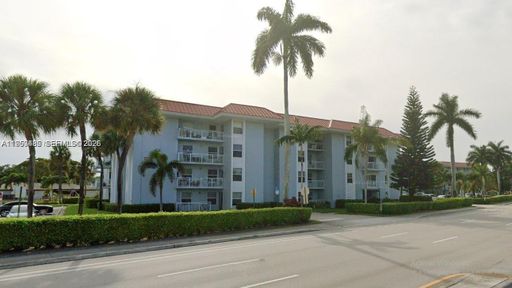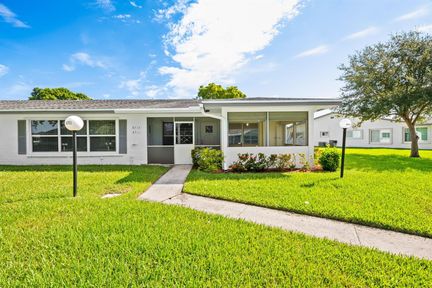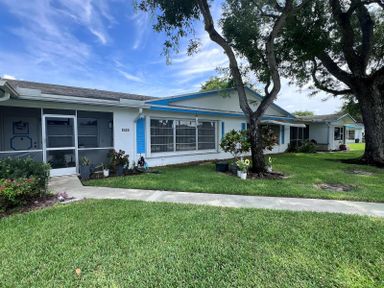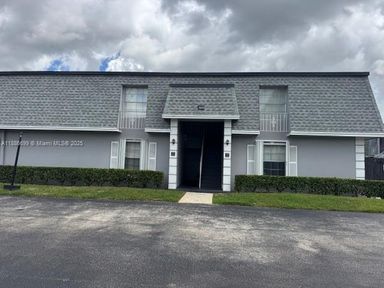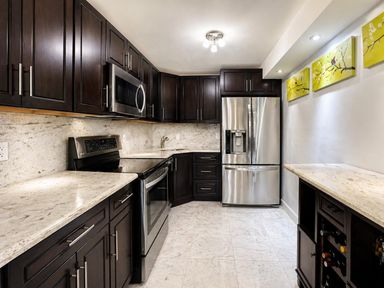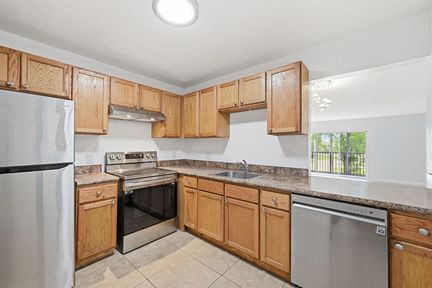
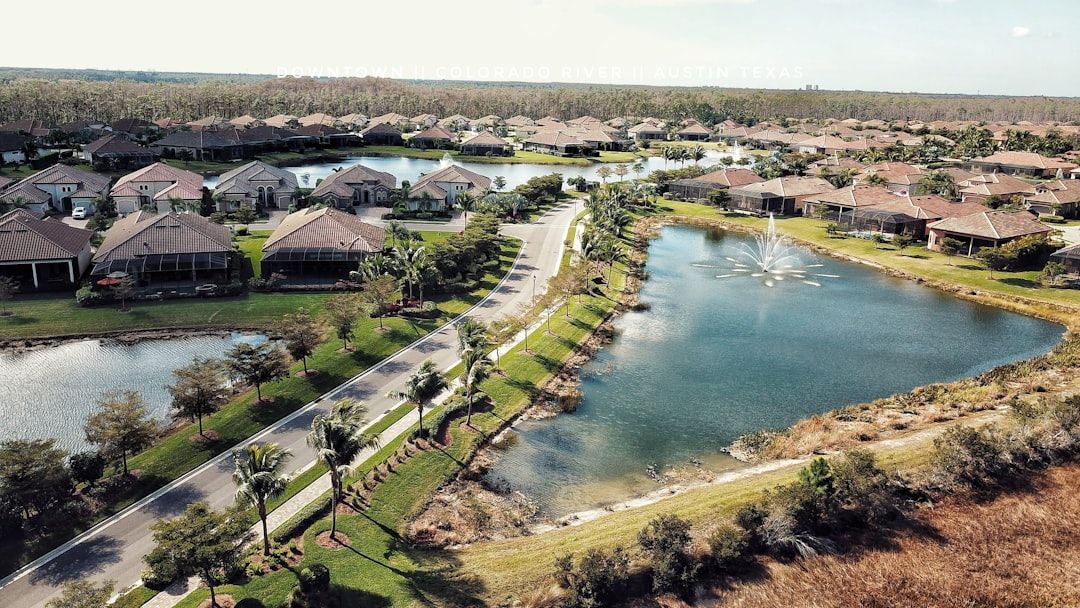
Living in Plantation
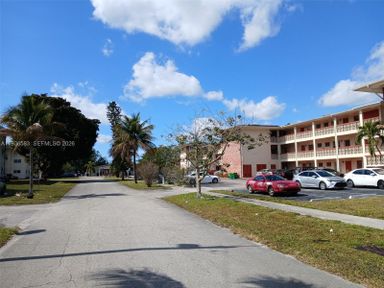
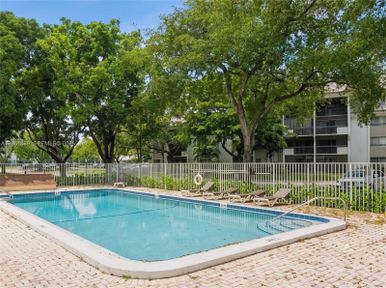
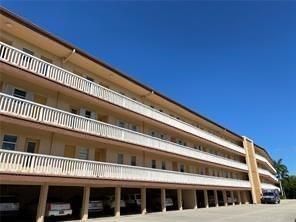
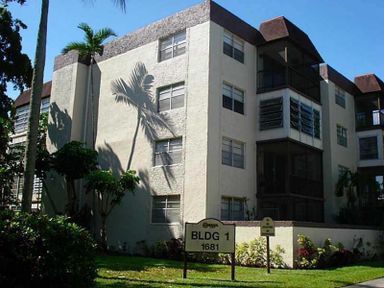
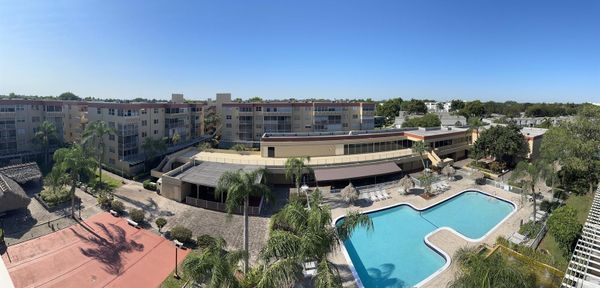
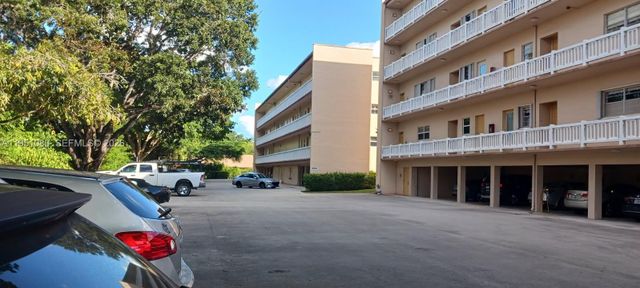
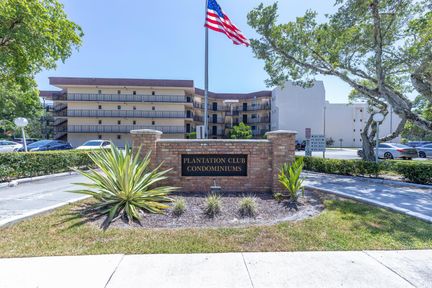
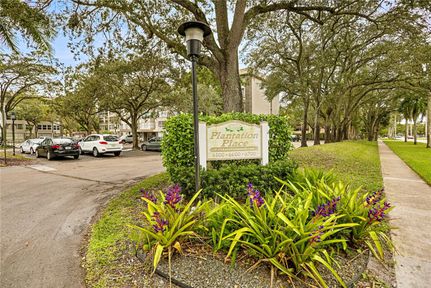
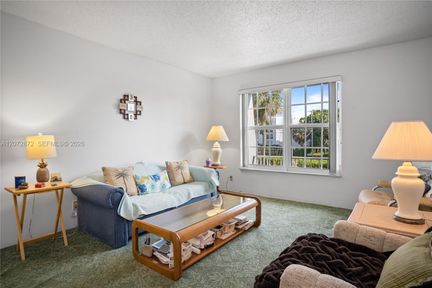
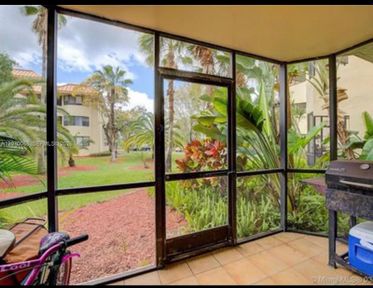
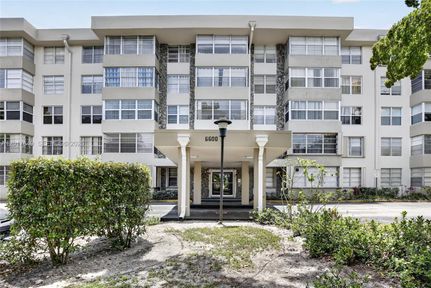
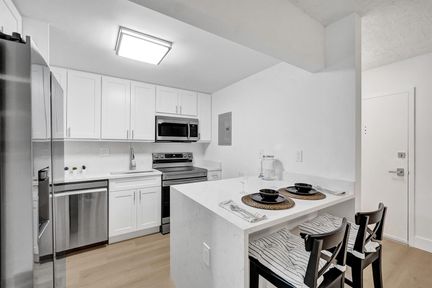
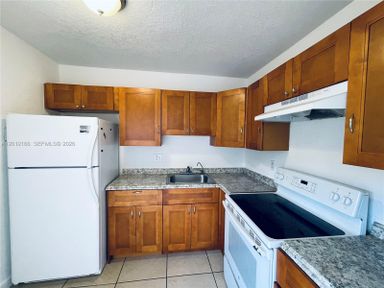
Plantation offers a comfortable suburban feel, mature neighborhoods, and a location that keeps daily life practical for buyers, renters, and investors. If you’re comparing homes across 33317, 33322, 33324, and 33325, the appeal is often a mix of space, convenience, and a residential setting that still connects easily to the wider region.
For many households, Plantation works because it balances neighborhood character with everyday access to shopping, services, and commuting routes. It’s the kind of place that tends to reward people who want a settled lifestyle rather than a dense, fast-paced urban environment.
Is Plantation, FL a nice place to live?
For many residents, yes. Plantation can be a strong fit if you want a balanced day-to-day routine, established streets, and access to the region without giving up a calmer suburban setting. That mix is especially appealing to people who value convenience, space, and a more residential pace.
For demographic composition such as ethnicity, review the latest Census profile and official local data. Neighborhood makeups can change over time, and citywide labels rarely tell the full story of a specific block or subdivision.
Takeaway Plantation appeals to people who value everyday convenience, established neighborhoods, and a location that supports both homeownership and renting.
Real Estate Market Overview
According to recent records, Plantation includes 11,281 properties. The median assessed value is $269,220, while the average assessed value is $420,550, which suggests a broad range of housing types and value points. Recent sales include 10 transactions, and the average recent sale price is $645,800.
If you’re asking whether Plantation, Florida is expensive, the answer depends on the property segment. The recent sale average sits well above the median assessed value, which points to meaningful variation in what is selling right now. For pricing, check current listings rather than relying on a single citywide average.
| Metric | Current data | What it suggests |
|---|---|---|
| Total properties | 11,281 | A sizable inventory base for buyers and investors |
| Median assessed value | $269,220 | A useful benchmark for the middle of the market |
| Average assessed value | $420,550 | Higher-value properties are lifting the average |
| Recent sales | 10 transactions | Limited sample; verify with current listings |
| Average recent sale price | $645,800 | Recent closings are landing above assessed benchmarks |
| Corporate ownership | 8.6% | There is a measurable investor presence |
| Flip activity since 2020 | N/A flips | Not enough data to identify a clear flip trend |
| Distress score | 56.0/100 | Elevated risk profile; inspect carefully |
Is Plantation, Florida an expensive place to live?
It can be, especially if you’re targeting larger, updated, or better-located homes. The spread between assessed values and the average recent sale price shows that the market is not one-dimensional. Some homes may be priced comfortably within reach, while others sit well into a higher bracket.
Because recent sales were limited to 10 transactions, the best approach is to compare active listings, review property condition, and ask for current market guidance before making a decision.
Takeaway The numbers point to a mixed market: not one simple price tier, but a range that rewards careful comparison and due diligence.
Plantation Schools & Education
School options are an important part of any move, and the most important detail here is address-level verification. School boundaries and program access can vary, so buyers should confirm zoning before making an offer. Families often compare more than just proximity; they also look at academic performance, extracurricular offerings, and daily logistics.
Because education needs differ, it helps to think in terms of fit: public, charter, private, or specialized programs. The best approach is to verify current information directly through official school sources rather than relying on an old listing or a general neighborhood summary.
How to evaluate school options
- Confirm attendance boundaries for the exact property.
- Review current ratings and program availability.
- Ask about after-school care, bus service, and drop-off patterns.
- Compare commute time to work and family schedules.
For parents, that extra step can save time and prevent surprises after closing. It also helps narrow the search to homes that truly fit your long-term plans.
Things to Do in Plantation
Life in Plantation is more about everyday enjoyment than headline attractions. Residents typically spend weekends at parks, neighborhood recreation spaces, fitness centers, and community-oriented shopping and dining areas. The appeal is convenience: you can run errands, meet friends, and get outside without a long trip across Florida.
Outdoor recreation is a major part of the lifestyle here. In South Florida, that often means warm-weather activities, shaded green space, and easy access to regional destinations. When beach day calls, you can head east to the coast, but Plantation itself is inland, so plan on a drive and check traffic before you go.
How far is the beach from Plantation, Florida?
It is not a beachfront city, so beach access requires driving east to the Atlantic coast. The exact distance and timing depend on your destination and the traffic pattern that day. For many residents, that tradeoff is worth it because they get a more residential setting while staying close to coastal recreation.
Takeaway Plantation gives you the suburban daily routine, with beaches, parks, and city amenities all within a reasonable regional reach.
Transportation & Commute
Transportation is one of Plantation’s strongest practical advantages. Its central location in the region helps commuters connect to major job centers, neighboring cities, and weekend destinations. Most residents rely on driving, so parking, road access, and rush-hour timing are important considerations.
Public transit options exist in the broader area, but they may not replace a car for most day-to-day needs. If you’re renting, confirm parking rules. If you’re buying, evaluate garage space, guest parking, and how easy it is to get to work, errands, and recreation.
What commuters should know
- Test your drive during the hours you would actually commute.
- Check how quickly you can reach major road networks.
- Factor in school drop-offs, errands, and parking when estimating travel time.
That simple check can make a big difference for anyone balancing work, school, and lifestyle in Florida.
Is Plantation a Good Investment?
From an investor’s perspective, Plantation offers a few notable signals. Corporate ownership is 8.6%, which shows a measurable investor presence without suggesting the market is dominated by it. Flip activity is listed as N/A since 2020, so there is not enough data here to identify a flip-driven trend. At the same time, the distress score is 56.0/100, marked ELEVATED, which means buyers should be especially careful about condition, financing, and exit strategy.
For investors, the most useful approach is disciplined due diligence. The recent sale sample is small at 10 transactions, so you should compare current listings, evaluate repairs carefully, and make sure the property fits your hold period and rental or resale plan.
What investors should watch
- Property condition, inspection results, and maintenance history.
- HOA rules, fees, and rental restrictions, if applicable.
- Layout flexibility, parking, and long-term tenant appeal.
- Exit strategy if the market softens or carrying costs change.
Takeaway Plantation can make sense for investors who value location and long-term demand, but the elevated distress score means careful underwriting matters more than chasing a quick deal.
Whether you’re buying a primary residence, a rental, or a resale opportunity in South Florida, the key is to focus on the specific property instead of relying on broad averages. For current listings, neighborhood comparisons, and local guidance, Broker One is a helpful resource.