Is Coral Gables Expensive? A Complete Cost & Lifestyle Guide (2026)
If you’re searching “is Coral Gables expensive”, you’re usually asking a bigger question: what do I actually get for the price? In Coral Gables, the answer is tied to more than square footage. Buyers are often evaluating historic architecture, tree-lined streets, a polished civic feel, walkable pockets near Miracle Mile, and landmark prestige around places like the Biltmore.
For home buyers, sellers, and investors across Miami-Dade, Broward, and Palm Beach, Coral Gables sits in a distinct South Florida lane. It is not just another Miami neighborhood; it is a place where lifestyle, image, and location all influence value. If you want current Coral Gables listings, start with mybrokerone.com, and if you want broader neighborhood context, explore brokerone.io/neighborhoods.
Historic
Architecture and preserved character buyers pay for
Walkable
Miracle Mile and nearby commercial corridors
Premium
Market positioning within South Florida
Verify
Flood, insurance, HOA, and historic-rule exposure
Coral Gables often feels expensive because buyers are paying for a complete lifestyle package — not just a house, but a setting, a reputation, and long-term neighborhood appeal.
Why Coral Gables Commands a Premium
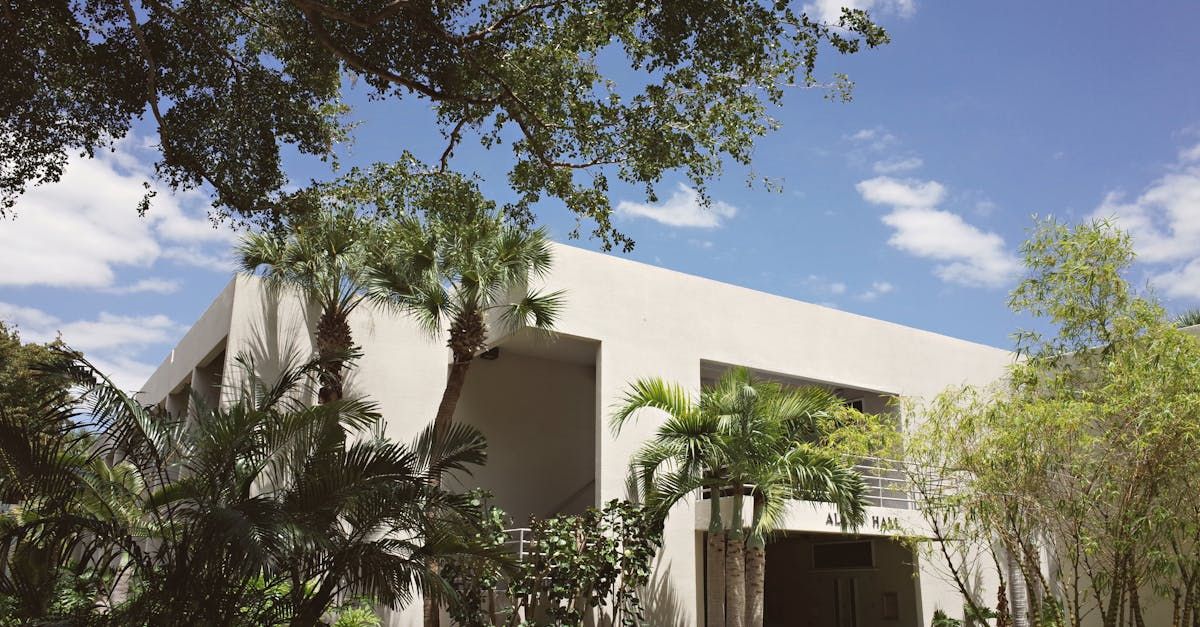
Coral Gables has a strong identity, and that identity is a big part of the price story. Many neighborhoods offer houses; fewer offer a recognizable visual character that buyers can identify instantly. In Coral Gables, the appeal often comes from the combination of historic architecture, lush streetscapes, and a polished urban core.
That premium also comes from convenience. Walkable areas near Miracle Mile bring dining, shopping, and daily errands into a compact setting. Landmark destinations such as the Biltmore add to the area’s prestige and help sustain buyer interest over time. For many owners, that combination is the point: they are buying a place with status and livability.
What buyers are really paying for
- Architectural character: Coral Gables is known for a historic feel that many newer markets cannot replicate.
- Tree-lined streets: Shade, beauty, and a calmer residential atmosphere add to the perception of value.
- Walkability in select pockets: The closer you are to daily conveniences, the more attractive the location can feel.
- Established reputation: Coral Gables has long been viewed as one of the more polished addresses in South Florida.
- School access as a driver: Families often consider school options and boundaries when deciding where to buy.
Pro tip: In Coral Gables, the “best” property is not always the biggest one. Buyers often pay for charm, lot setting, condition, and proximity to the parts of town they use most.
Real Cost of Living in Coral Gables
When people ask whether Coral Gables is expensive, housing is usually the first answer — but it is not the only one. The real cost of living depends on how you use the neighborhood. A buyer who values walkability and convenience may spend more upfront but save time and driving. A family focused on schools may accept a higher monthly total in exchange for the right location. An investor may see the price as the cost of owning in a durable, name-recognition market.
Below is a practical breakdown of the major cost categories buyers and residents should think about before making a move.
| Cost category |
What affects it in Coral Gables |
What to check before you buy or rent |
| Housing |
Historic homes, updated properties, condos, townhomes, and location near walkable corridors |
Condition, lot size, renovation quality, parking, and proximity to your daily destinations |
| Taxes |
Property taxes can vary by assessment, property type, and purchase price |
Review the latest tax history and ask for a full monthly estimate, not just the asking price |
| Dining and lifestyle |
Living near Miracle Mile and other active areas can increase everyday convenience spending |
Think about how often you dine out, entertain, and use local services |
| Schools |
School access and school-zone fit can influence buyer demand and neighborhood desirability |
Confirm current boundaries and school options directly before making assumptions |
| Transportation |
Commute patterns, parking, and the need for multiple cars can change the real monthly budget |
Test your commute during peak hours and check garage or street-parking realities |
| Insurance and maintenance |
Older homes, coastal exposure in South Florida, and property-specific risks can affect costs |
Get insurance quotes early and inspect roof, drainage, electrical, and plumbing systems |
The asking price is only part of the picture. In South Florida, the monthly carry cost — especially insurance, taxes, and maintenance — can change the true affordability of a Coral Gables home.
Warning: If a property sits in a historic area or under preservation rules, exterior changes, additions, and renovation choices may face extra review. Always confirm the rules before budgeting for a remodel.
Price Ranges by Micro-Neighborhood: How to Think About Coral Gables
Exact Coral Gables prices change constantly, so the most honest way to discuss micro-neighborhoods is by price pressure rather than a fixed number. Some blocks command more because of walkability or prestige. Others may offer a different entry point because they are farther from the busiest corridor or have a different property mix.
Use the table below as a framework, not a live quote. For current inventory and real-time pricing, compare listings on mybrokerone.com and neighborhood context on brokerone.io/neighborhoods.
| Micro-area type |
Relative price pressure |
Why buyers pay more here |
Best for |
| Historic core near Miracle Mile |
Strong premium |
Walkability, city-center energy, and the classic Coral Gables feel |
Buyers who want convenience and an established address |
| Biltmore-adjacent pockets |
Premium |
Prestige, landmark proximity, and strong lifestyle appeal |
Buyers who value status and signature surroundings |
| Central residential streets |
Varied |
Balance of neighborhood character and easier access to key destinations |
Families and end users seeking a middle ground |
| Outer Coral Gables pockets |
More flexible |
Different lot sizes, property types, and tradeoffs in walkability |
Buyers who want the Coral Gables name with more options |
| Condo and townhome corridors |
Entry-to-premium depending on building and location |
Lower-maintenance living and access to the Coral Gables lifestyle |
First-time buyers, downsizers, and investors |
Pro tip: In Coral Gables, two homes that look similar online can feel very different in person. Street position, shade, curb appeal, parking, and renovation quality all matter more than many buyers expect.
Renting vs. Buying in Coral Gables
If you are deciding whether to rent or buy, Coral Gables is one of those markets where lifestyle matters as much as math. Renters may appreciate flexibility, lower upfront commitment, and the chance to test the neighborhood before buying. Buyers, on the other hand, may be willing to pay more to lock in a location they believe will stay desirable.
When renting may make sense
- You want to learn the neighborhood before making a long-term commitment.
- You are comparing Coral Gables with other upscale South Florida areas.
- You need flexibility for work, family, or school planning.
- You want to avoid the responsibilities that come with ownership, maintenance, and insurance shopping.
When buying may make sense
- You want to build a long-term position in a recognizable Miami-Dade address.
- You value stability, control over renovations, and the ability to personalize the home.
- You see Coral Gables as a place where scarcity and reputation support demand.
- You are prepared for the full monthly cost, not just the purchase price.
For investors, Coral Gables is often about durability and tenant appeal. For end users, it is about owning a neighborhood experience that feels distinct from the rest of Miami.
Hidden Costs Buyers Should Not Ignore
Some of the most important costs in Coral Gables are not obvious from a listing photo. Historic charm can come with rules. Older homes can come with maintenance. South Florida weather can make insurance and drainage a serious part of the budgeting conversation. These are not reasons to avoid the market; they are reasons to evaluate it correctly.
Critical alert: Do not compare two homes only by asking price. Once you include insurance, taxes, HOA dues, repairs, and renovation limits, the true monthly cost can look very different.
Hidden costs to review early
- Historic designation restrictions: Some properties may have limits on exterior changes or additions.
- Flood insurance: In South Florida, flood exposure can materially change the ownership cost picture.
- Older-home maintenance: Roofs, drainage, plumbing, electrical, and windows deserve close inspection.
- HOA or condo rules: If you are considering a condo or townhome, review the association documents before you make assumptions.
- Parking and storage: In walkable or older neighborhoods, parking convenience can be a real lifestyle cost.
For sellers, this is also useful. If you understand the hidden-cost conversation buyers are having, you can position your home more effectively. If your property has updates, protected character, or a great location near Miracle Mile or the Biltmore, those details should be presented clearly.
Seller tip: Market the lifestyle, not just the structure. In Coral Gables, buyers respond to architecture, landscaping, street appeal, and the sense of place.
Coral Gables vs. Other Upscale Miami Areas
Coral Gables is often compared with Coconut Grove, Key Biscayne, and Pinecrest. These are all desirable names, but they offer different experiences. That means the right choice depends on what you value most: historic charm, island living, a village feel, or more suburban space.
| Area |
Setting |
What buyers tend to value |
How it compares to Coral Gables |
| Coral Gables |
Historic, polished, and architecturally distinct |
Tree-lined streets, Miracle Mile access, and landmark identity |
Best fit for buyers who want a refined, classic Miami-Dade address |
| Coconut Grove |
Lush, village-like, and lifestyle-driven |
Unique atmosphere, greenery, and a relaxed upscale feel |
Often chosen by buyers who prioritize a different type of charm and neighborhood mood |
| Key Biscayne |
Island setting with a distinct coastal identity |
Separation from the mainland and a resort-like lifestyle |
Appeals to buyers who want island living rather than a historic city core |
| Pinecrest |
More suburban with larger-lot appeal |
Space, privacy, and a quieter residential feel |
Often preferred by buyers who want more land and a less urban setting |
For South Florida buyers comparing Miami-Dade, Broward, and Palm Beach options, Coral Gables stands out because it offers a rare mix of city polish and neighborhood character. If you want the energy of a well-established urban village without losing residential elegance, it stays high on the shortlist.
Who Coral Gables Is Best For
- Buyers: People who want a prestigious Miami-Dade address with character and daily convenience.
- Sellers: Owners with well-maintained homes, classic architecture, and strong curb appeal.
- Investors: Buyers looking for a market with long-term desirability and recognizable brand value.
- Families: Households that care about school access, neighborhood feel, and commute balance.
- Downsizers: Residents who want a lower-maintenance lifestyle while staying in a prime location.
The big takeaway is simple: Coral Gables can be expensive, but for many buyers the cost is tied to a specific kind of value. You are not just paying for the walls. You are paying for an established address, a memorable streetscape, and a lifestyle that has remained desirable across market cycles.
If Coral Gables matches your budget and your lifestyle goals, the premium may be worth it. If you only want the lowest monthly payment, this is probably not the neighborhood to force-fit.
FAQ: Is Coral Gables Expensive?
Is Coral Gables a wealthy area?
Coral Gables is widely viewed as an affluent and upscale part of Miami-Dade. That reputation comes from its housing stock, civic identity, walkable commercial areas, and long-standing desirability.
Is Coral Gables more expensive than Beverly Hills?
There is no fair universal yes-or-no answer without current property-by-property comparisons. Beverly Hills is a separate luxury benchmark in California, while Coral Gables is a premium South Florida market with its own pricing structure. The right comparison depends on the exact home, lot, and location.
Is $70,000 enough to live in Miami?
It depends on household size, debt, transportation, and housing choice. In Coral Gables, the housing and insurance piece can make the budget feel tight, especially if you want a premium location, a larger home, or a low-maintenance lifestyle.
What celebrities live in Coral Gables?
I can’t verify specific celebrity residents from the information provided, and it is better not to guess. What can be said responsibly is that Coral Gables has the kind of prestige, privacy, and established neighborhood character that may appeal to public figures.
Is Coral Gables expensive for renters too?
Renters may find Coral Gables pricey as well, especially in walkable or highly desirable pockets. The exact cost depends on building type, location, amenities, parking, and current inventory.
What should I check before buying in Coral Gables?
Review flood exposure, insurance, property taxes, HOA or condo documents, historic restrictions, parking, and the true condition of the home. Those factors matter just as much as the asking price.
Ready to Compare Coral Gables Listings?
If you are serious about buying, selling, or investing in Coral Gables, the next step is to compare current inventory with a local lens. Start with live Coral Gables listings at Broker One, then use brokerone.io/neighborhoods to understand how different South Florida areas stack up.
Explore Coral Gables listings now at mybrokerone.com and take the next step with a market view that reflects real-time conditions, not outdated assumptions.