
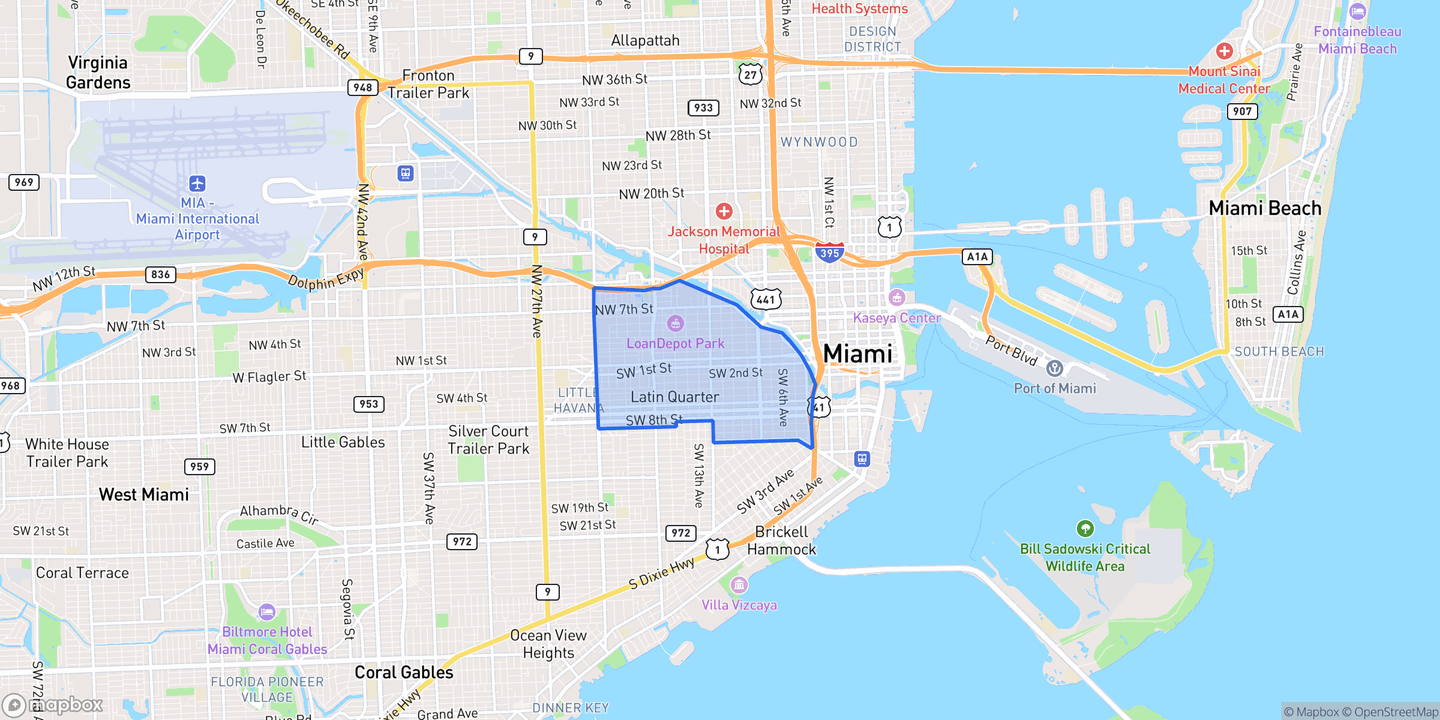
Where Miami's Soul Lives on Every Block
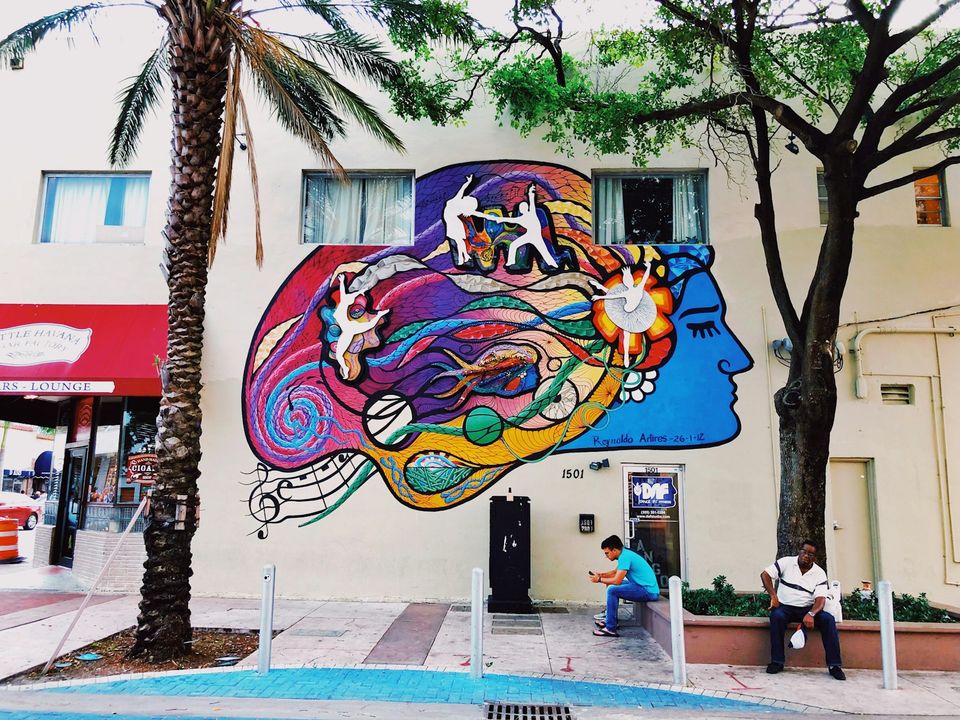
Forget what you think you know about Little Havana from the tourist brochures. Yes, Calle Ocho exists. Yes, the dominoes click all day at Máximo Gómez Park. But the real Little Havana? It's the neighborhood where a $700,000 median listing price buys you something no other Miami zip code can offer: genuine cultural DNA that hasn't been focus-grouped into oblivion.
| Population | ~76,000 |
|---|---|
| Median Household Income | $43,850 |
| Demographics | 90%+ Hispanic/Latino |
| Primary Zip | 33135 |
| Walk Score | High — Calle Ocho is walkable end to end |
The Real Market Story
Little Havana is Miami's last affordable urban neighborhood with a pulse — and the window is closing. Developers figured out what locals always knew: a neighborhood with this much character, ten minutes from Brickell, doesn't stay underpriced forever. Multi-family properties move fast here. Single-family homes with original terrazzo floors and mature fruit trees? Those are becoming the kind of thing people fight over.
This isn't a neighborhood where you buy for the granite countertops. You buy because the colada window at Versailles has been pouring the same cafecito since 1971, and the guy selling guarapo on 12th Avenue knows your name by your second visit.
The Cultural Heartbeat
Calle Ocho (SW 8th Street) is the spine, running from SW 12th Avenue to SW 27th Avenue. But the real discoveries are one block off the main drag:
- Versailles Restaurant — The most famous Cuban restaurant in America. Not debatable.
- Ball & Chain — A 1935 jazz club reborn as Little Havana's best live music venue
- CRAFT Little Havana — A newer addition proving the food scene is evolving, not just preserving
- Casa Juancho — Spanish fine dining that's been anchoring the neighborhood since the 1970s
- Azucar Ice Cream — Abuela Maraía flavor. If you know, you know.
The Calle Ocho Festival
Every March, SW 8th Street hosts the largest Hispanic street festival in the country. Over a million people. Twenty-three blocks shut down. Live salsa, merengue, and reggaeton. This isn't a city-organized "cultural event" — it's a neighborhood party that got too big for anyone to stop.
What You're Actually Buying
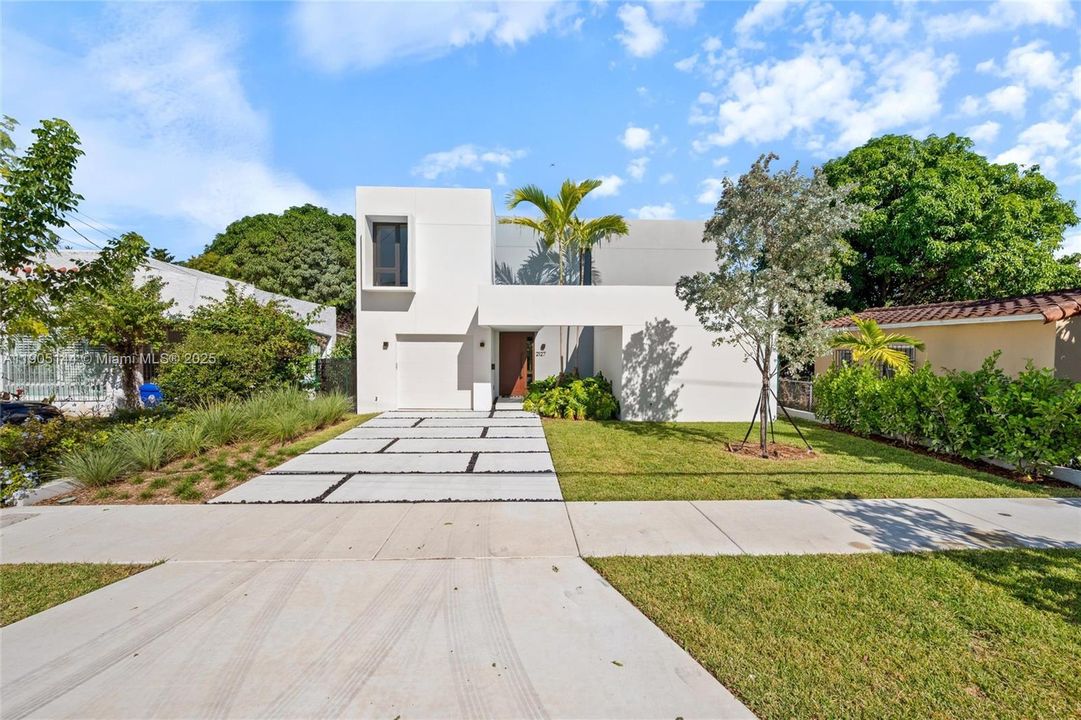
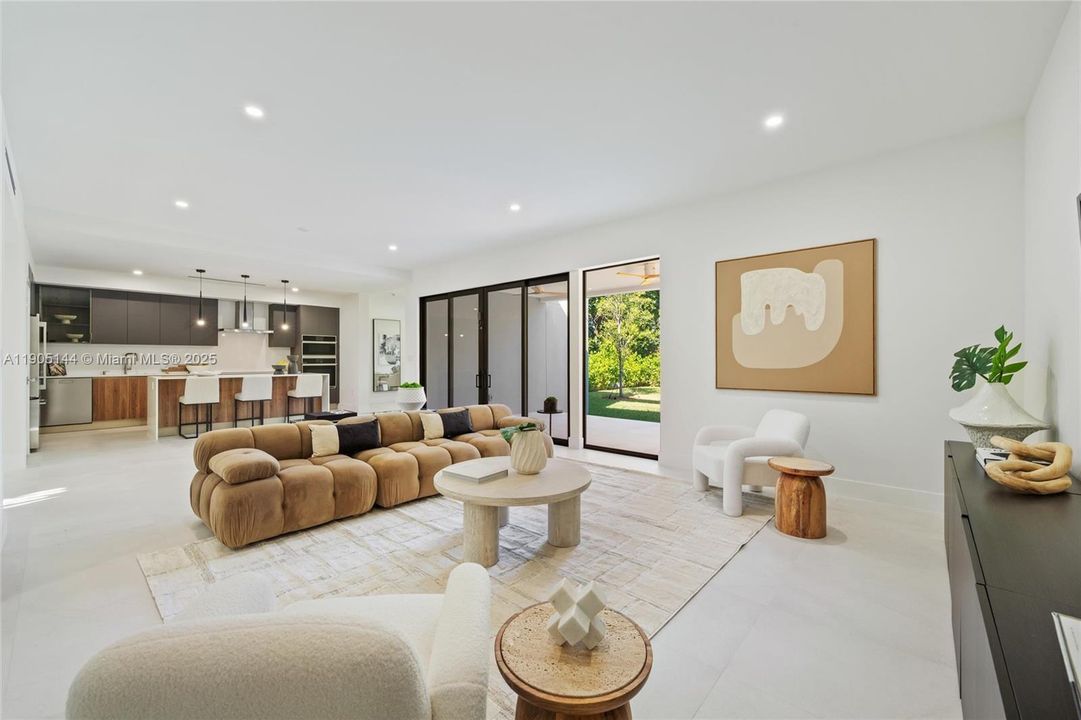
The housing stock is honest: 1950s-60s concrete block homes, some Art Deco apartment buildings, and an increasing number of modern townhouse infill projects. You're not getting a pool and a three-car garage. You're getting:
- Proximity — 10 minutes to Brickell, 15 to Miami Beach, 5 to Coral Gables
- Authenticity — One of the few Miami neighborhoods where the culture wasn't imported for marketing purposes
- Upside — Development is coming whether you buy now or not. The question is which side of that equation you want to be on
- Multi-family potential — Duplexes and triplexes are common, making house-hacking realistic
Compared to the Neighbors
| Little Havana | Downtown Miami | Coral Gables | |
|---|---|---|---|
| Vibe | Cultural, authentic | Corporate, vertical | Manicured, old money |
| Walkability | High on Calle Ocho | High | Moderate |
| Investment Upside | Strong | Established | Stable |
| Character | Can't be replicated | Generic urban | Historic suburban |
Who Should Buy Here
Investors who want multi-family in an appreciating market. Young buyers priced out of Brickell who want actual neighborhood life. Anyone who understands that culture is the last truly scarce resource in real estate — you can build another glass tower, but you can't manufacture what Calle Ocho has.
Explore Little Havana properties on brokerone.io for ownership history, tax records, and building permits on every parcel.