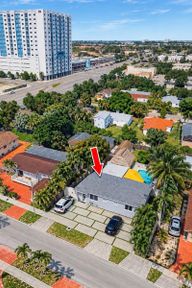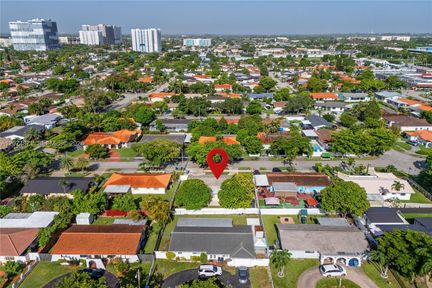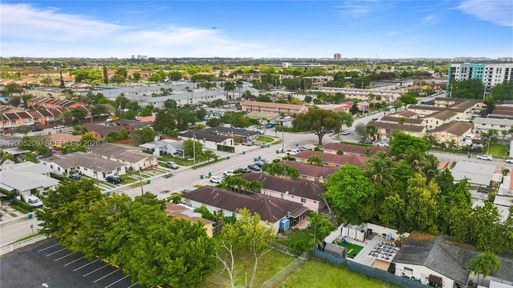
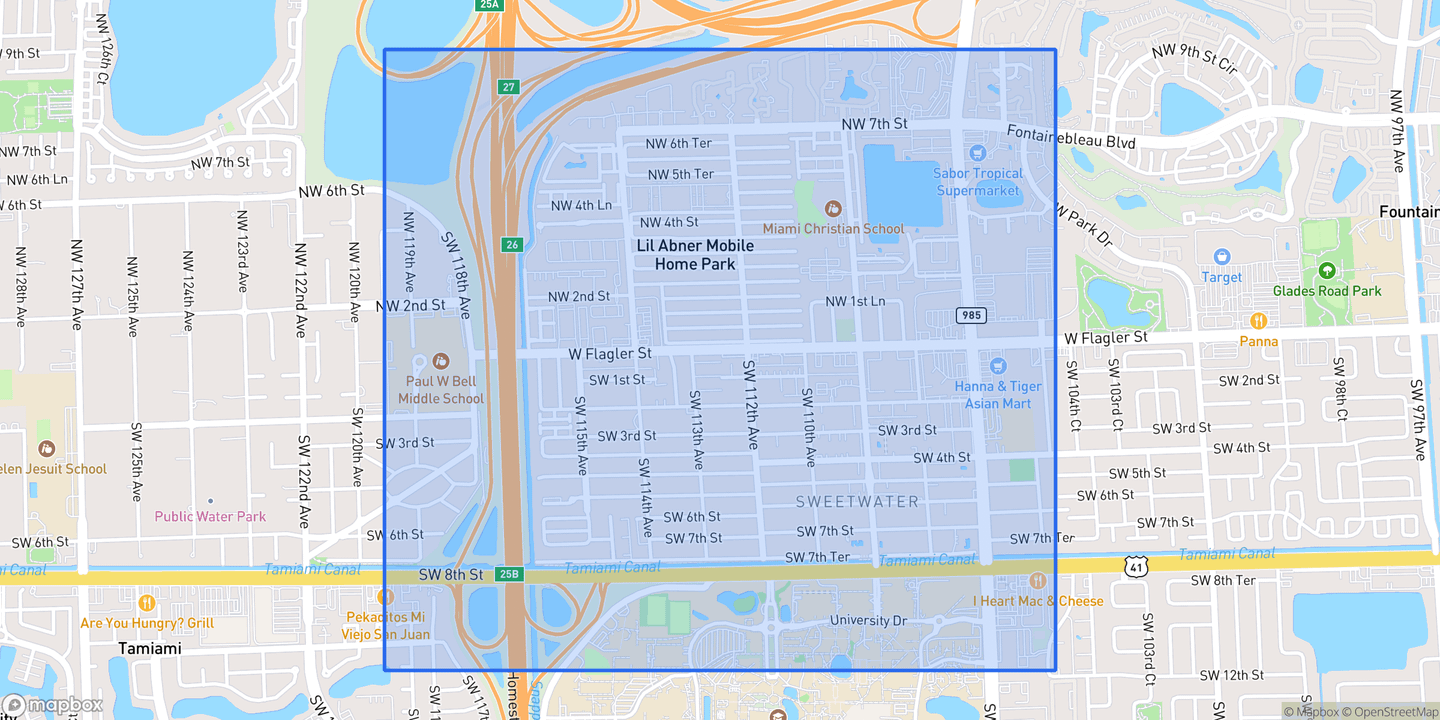
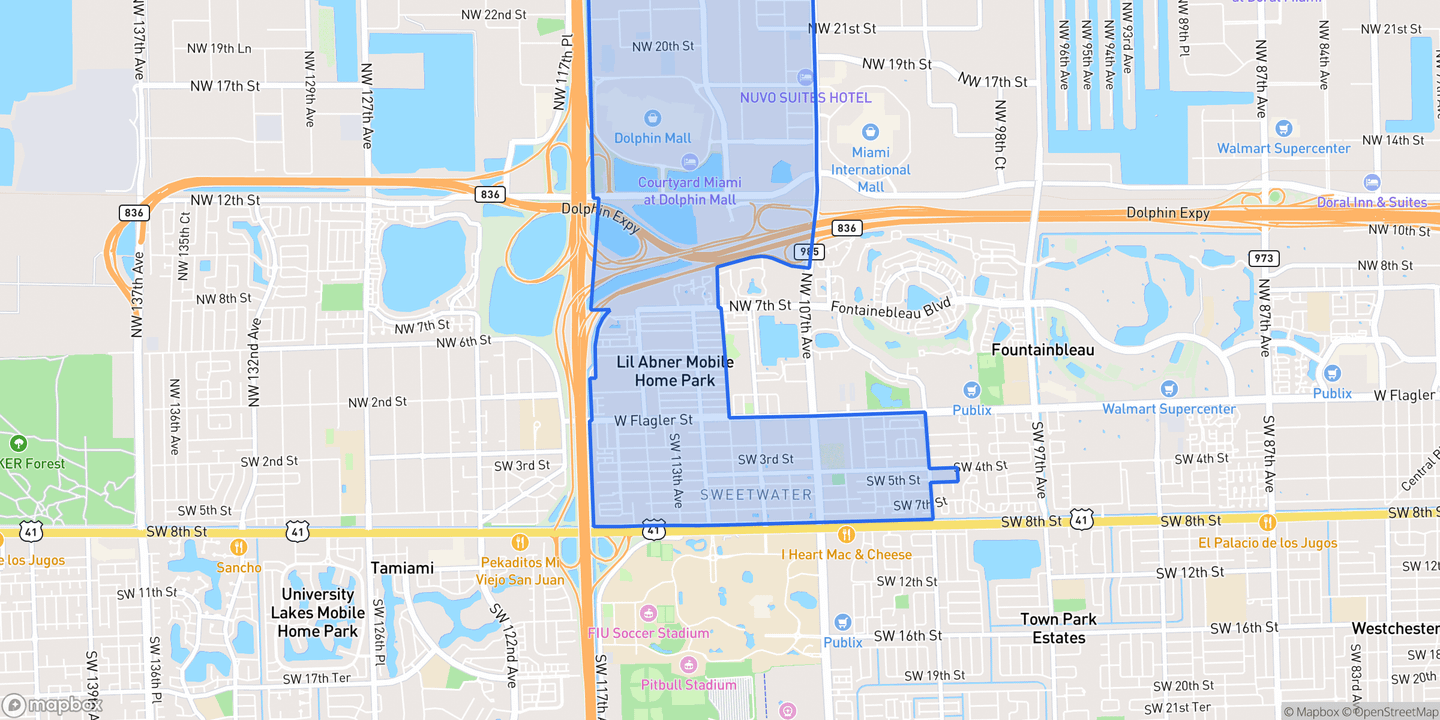
Sweetwater is a small incorporated city in western Miami-Dade County — about 532 acres (roughly 0.8 square miles), with a population of just over 20,000. Tucked between Miami International Airport to the north and Florida International University's main campus to the west, it is bordered on the south by SW 8th Street (Tamiami Trail) and on the north by NW 12th Street. Culturally, it is best known as Little Managua: Sweetwater has one of the largest concentrations of Nicaraguan residents in the United States, and almost three out of four residents are foreign-born — one of the highest immigrant shares of any municipality in Florida.
For buyers and renters, Sweetwater is the place you look when you want Miami-Dade location without Miami-Dade pricing. It is measurably more affordable than Coral Gables, South Miami, or Coconut Grove on a per-square-foot basis, and it lets you reach FIU in 5 minutes, Dolphin Mall in 10, and Brickell in 15-to-25 depending on how comfortable you are with the 836 toll. You trade architectural polish for location value.
A brief history: Sweetwater Groves, a hurricane, and a Russian circus troupe
Sweetwater's strange origin story is worth knowing if you're going to live here. The area was originally platted in the 1920s Florida land boom as "Sweetwater Groves," marketed as productive citrus acreage. The 1926 Great Miami Hurricane wiped out the groves and the speculative boom along with them. In 1938 a local investor named Clyde Andrews bought most of the tract and began subdividing lots for residential sale.
Among his earliest buyers were members of a traveling Russian circus troupe — performers of short stature — who had been touring the southeastern United States and reportedly fell in love with the area while driving down Tamiami Trail after a Miami show. They purchased lots, built homes scaled to their proportions, and formally incorporated the city in 1941. The original city flag and seal still reference this founding. The troupe is long gone; the nickname and the folklore are not.
Who lives here today
Sweetwater's demographic is overwhelmingly Hispanic and immigrant. The Nicaraguan community is the defining one — Sweetwater's "Little Managua" nickname is not marketing, it is lived fact. Cuban families form the next-largest bloc, with smaller Central American and South American communities layered in. Roughly 75% of residents are foreign-born, and Spanish is the functional primary language on every commercial street.
The housing tenure split leans more toward renters than most Miami-Dade cities, which is a direct function of FIU. The university's main campus abuts the city's western edge along SW 107 Avenue, which means a large share of rental inventory is absorbed by students, graduate researchers, and young professionals tied to the university or to employers along the 836 corridor.
Housing stock and what to expect
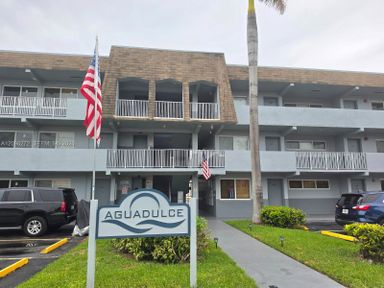
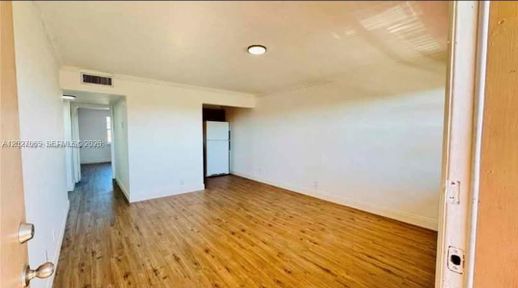
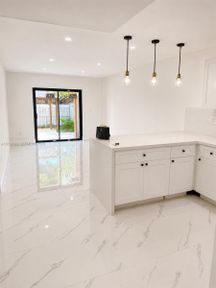
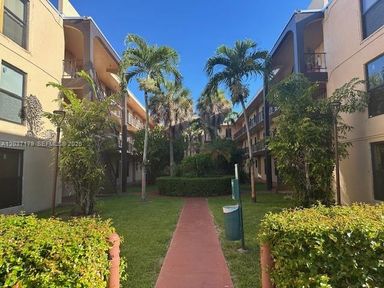
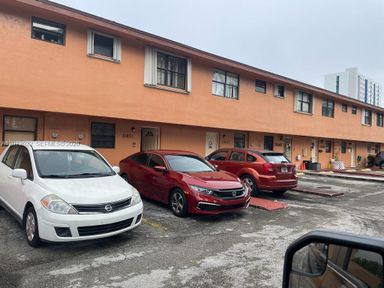
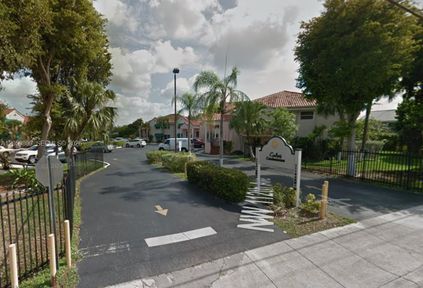
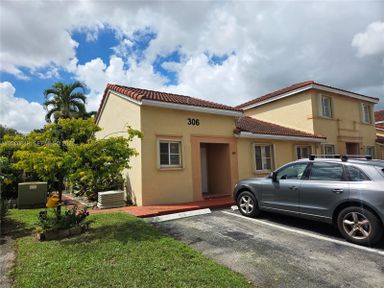
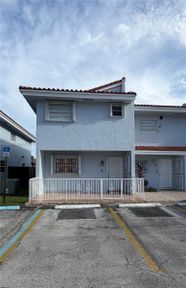
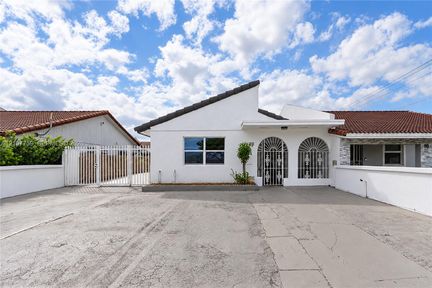
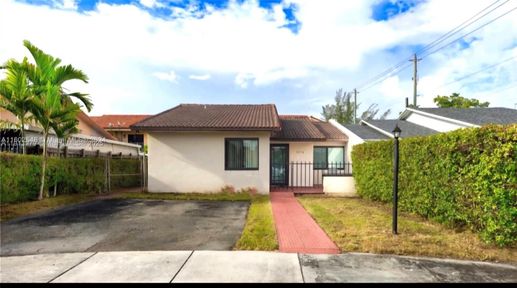
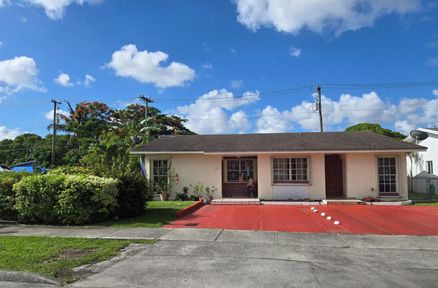
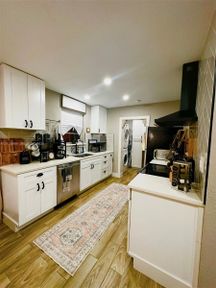
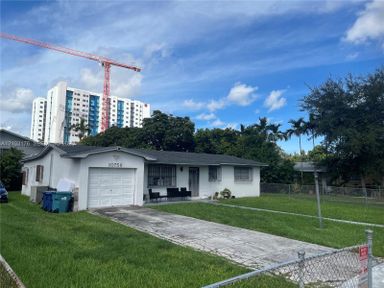
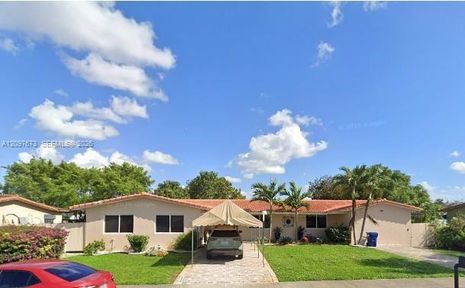
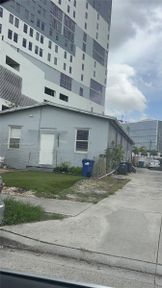
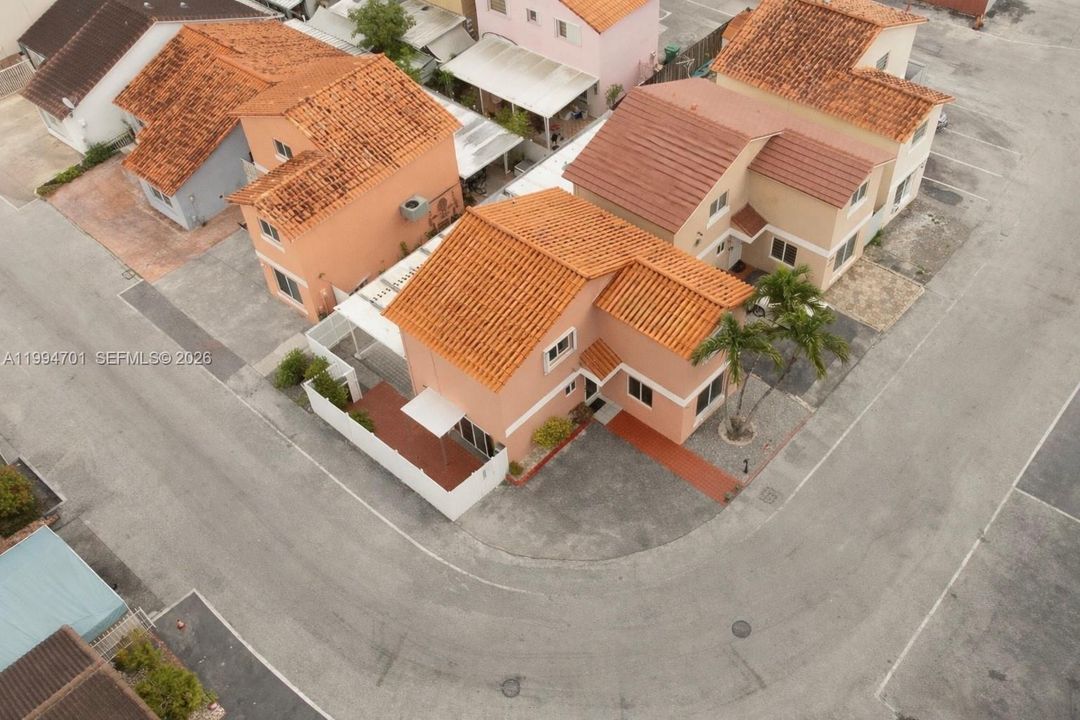
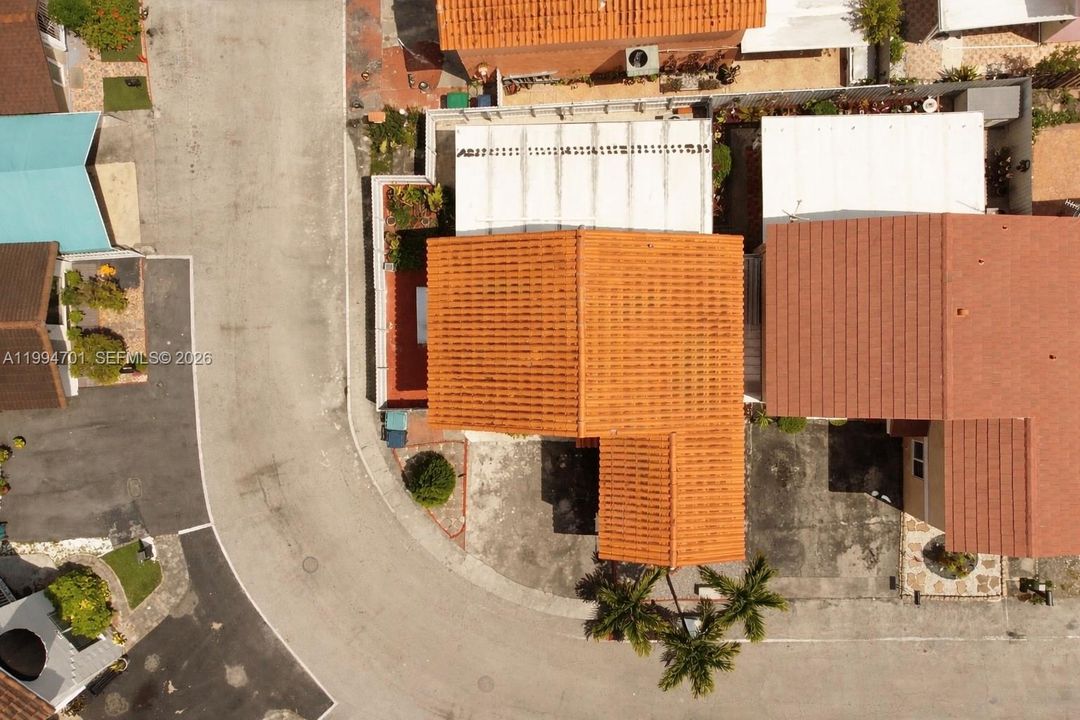
The built environment is overwhelmingly 1970s and 1980s suburban-scale: single-story single-family homes on 3,500-6,000 sqft lots, low-rise condo communities, and townhouse rows. Newer construction is concentrated in two pockets — townhouse projects along NW 109 Avenue and a cluster of mid-rise condo buildings near the FIU campus edge.
- Single-family homes — compact 3-bed/2-bath on modest lots. The most-requested product for buyers who want a yard inside the Miami inner ring without paying Coral Gables prices.
- Condominiums — the largest share of active inventory. Age, unit size, and distance to FIU are the primary price drivers. Older buildings face the same SB 4-D reserve-study dynamics discussed in our Miami condo market analysis.
- Townhouses — mostly 1970s vintage, attractive to first-time buyers and to investors targeting the steady FIU rental pipeline.
- Villas & duplexes — niche but useful for owner-occupants who want a second unit for rental income.
For current pricing, active inventory counts, and $/sqft benchmarks, see the statistics widget above — those numbers update live from MLS.
Cost of living
Several third-party cost-of-living indexes put Sweetwater roughly 20% above the U.S. national average, which is typical for greater Miami. Within Miami-Dade, though, Sweetwater is well below the county median on housing cost, which is the biggest line item for most households. Groceries, utilities, and everyday services track greater-Miami norms. Where Sweetwater has a real cost edge: you can realistically avoid tolls on a daily commute if you know SW 8th St and SW 117 Ave well enough to sidestep the 836.
Location and commute
The location is the reason most non-FIU buyers end up here. From the city center:
- FIU main campus: 3–5 minutes
- Dolphin Mall: 7–10 minutes
- Miami International Airport: 10–15 minutes
- Brickell / Downtown Miami: 15–25 minutes on the 836 (toll) or 25–35 via SW 8th St
- Coral Gables: 15–20 minutes via SW 8th St
- Kendall / South Miami-Dade: 15–20 minutes via the Palmetto (SR 826)
- Doral business district: 10–15 minutes
Three major arteries — the Palmetto Expressway (826), Dolphin Expressway (836), and Tamiami Trail (SW 8th Street / US-41) — either border or cross the city. That is what keeps commute times low. The flip side is the sustained traffic and noise those same roads bring, which shows up on every "things we'd change about Sweetwater" survey of residents.
Schools
Sweetwater is inside Miami-Dade County Public Schools. The neighborhood's traditional K-12 feeders are mid-ranked on GreatSchools. Families who prioritize public-school ratings usually look instead at Doral, Westchester, or further out to Pinecrest and Palmetto Bay. Several strong alternatives are within a short drive of Sweetwater:
- Miami Christian School (K-12) — private, on NW 109 Avenue, long-established.
- Paul W. Bell Middle School — higher-rated public option drawing from overlapping zones.
- Doral Academy Preparatory — charter network, application-based, one of the most sought-after charters in Miami-Dade.
Sweetwater fits best for student renters, FIU faculty, young professionals, and first-time-buyer couples without school-age children yet. Families whose decision is driven by K-12 assignment should look at neighboring cities.
Safety
Crime data on Sweetwater is mixed. FBI-derived indexes rate it below the safest Miami-Dade cities but broadly comparable to the Florida state average; resident-survey data shows a split — roughly 60% describe the city as "very safe," 40% as "somewhat safe with noticeable concerns." In practical terms, Sweetwater's safety profile matches most inner-ring Miami-Dade cities — not Pinecrest or Key Biscayne, not North Miami either. Walk-the-block investor due diligence is warranted at any address before you close.
What to do here
Sweetwater's appeal is functional more than postcard-pretty, but there are real anchors:
- FIU campus life — athletics at Pitbull Stadium, concerts at the Wertheim Performing Arts Center, Frost Art Museum exhibits (free and open to the public).
- Ronselli Park — the central municipal park, baseball and soccer fields, the annual Sweetwater Christmas tree lighting.
- Dolphin Mall — outlet and sit-down shopping on Sweetwater's northern doorstep; the default retail anchor for most residents.
- Dining — Nicaraguan fritangas and Cuban ventanitas line SW 8th Street. El Novillo for grilled meats; any spot advertising "nacatamales" for a Nicaraguan pupusa-adjacent street-food experience.
- Shops at Dadeland and Miracle Mile — for higher-end shopping, 15–20 minutes east.
Who Sweetwater is right for
- FIU students and faculty moving from renting to owning.
- First-time buyers who want the Miami-Dade school district, urban convenience, and the airport corridor without paying Coral Gables prices.
- Investors targeting FIU-driven student rentals or longer-term immigrant-community rentals.
- Spanish-speaking buyers who want to live inside a dense Latin American community — Nicaraguan first, Cuban second.
- Buyers prioritizing proximity to MIA, Dolphin Mall, Doral employment, or FIU over school ratings or architectural polish.
Who it's probably not right for
- Families whose home choice hinges on A-rated public K-12.
- Buyers looking for new-construction Miami-condo aesthetics or walkable "cafe-and-gallery" street life.
- Anyone sensitive to airport traffic, 836 noise, or the sustained hum of a working immigrant city.